

News
HOW TO REMOVE UNWANTED ODOURS FROM HANDBAGS
It's an age old problem, something in your handbag has left a nasty niff, a pet has had an accident, its been in storage and has a musty smell, or maybe someone has blown tobacco smoke on your cherished item.
If your bag is leather with a fabric lining how do you find a product which is safe to treat both, or how do you actually remove the problem without resorting to a washing machine?
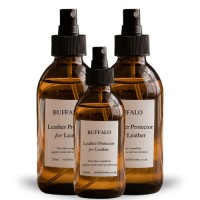
Fear not, here at Buffalo Products we have the solution, our odour remover doesn't just mask the smell it actually zaps odours by eliminating them and leaving a pleasant smell behind.
Its very easy to apply, just mist the odour refresher and let it do its job.
Want to purchase one? No problem, just click on our product link below and you're on your journey to a fresh smelling handbag!
CAN A LEATHER JACKET BE DRY CLEANED?
Is it advisable to have it dry cleaned?
No! Dry Cleaners are not experts in leather, we often see leather jackets which have been subjected to dry cleaning chemicals which result in stained and hardened leather, we can sometimes deal with the stains but once the leather has hardened it very difficult to reverse as it removes natural oils.
You can have a leather jacket cleaned by a leather professional!
Leather is a natural material that requires specialist care by a professional leather cleaning expert (such as ourselves here at Buffalo) who can restore its appearance and colour.
A professional will use the correct cleaning method for the type of leather you have, and will apply the correct dye or pigment colour so it doesn’t alter the original appearance, whilst also applying softeners to retain its suppleness.
And please remember do not use the following to clean your leather:
- Microfibre cloths – These shed tiny fibres which can mix in to a leather conditioner, the fibres harden when the leather conditioner dries causing a rough surface.
- White vinegar – This is highly acidic and can harm your leather, its also very pungent and the leather will hold that smell.
- Oil – Garment leather and upholstery leather is not created to take oil, oil will produce a sticky dull surface.
- Saddle soap – As the name indicates this is purely created for saddles which is entirely different leather compared to garment leather.
WHEN AND WHEN NOT TO USE A LEATHER DYE
The term leather dye is often incorrectly used, most would use the term ‘dye’ as a general rule for a product to colour leather.
The surprising fact is leather dye is NOT suitable for all leather types, and not ideal for certain environments, you don’t want that lovely dye rubbing off all over your clothes!
So what is the difference between leather dye and leather paint?
Leather dyes are transparent, they are not a solid colour, they’re a subtle tint of colour (similar to a wood dye)
Dyes have to soak in to the leather to have an effect on enhancing the colour, therefore your leather has to be very absorbent to use a dye.
If the leather isn’t absorbent enough for the dye to soak in it will sit on the surface and rub off on to your clothing.
It’s important to carry out an absorbency test by wiping over the leather using a very damp cloth, if the leather immediately changes colour to a much darker tone your leather should be suitable for a leather dye.
Absorbent leather normally fades over times (dyes tend to fade when exposed to daylight) at that point a leather dye colour restorer can be rubbed in to the surface to restore the original colour.
Don’t forget a dye can’t just be applied and that’s the end of it, the leather has to be finished using a finishing balm or buffing cream.
Here at buffalo we supply a kit which provides all 3 products you need to re-dye your leather.
Purchase Leather Dye Colour Restorer Kit for Absorbent Leather
The moral of this story is don't apply a dye if the leather isn't fully absorbent